The Colour Energies Team Dynamics : How Different Styles Drive Team Success
Every team brings together people with different strengths, communication styles, and working preferences. Sometimes, these differences create creativity, energy, and outstanding performance. Other times, they create misunderstandings, slow progress, or friction between colleagues.
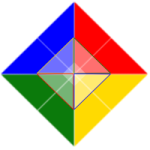
The Colour Energies framework provides a simple way to understand – and work with – these differences. When teams have a shared language for discussing behaviour and communication, collaboration becomes easier, faster, and more inclusive.
In this article, we explore what really happens when the Colour Energies come together in a team and why understanding these dynamics is essential for building high-performing, people-centred workplaces.
Why Colour Energies Team Dynamics Matter More Than You Think
Many organisations invest heavily in training, leadership development, and workplace policies. But one of the biggest drivers of team success often goes unnoticed: the way people naturally behave and communicate.
Two leaders with identical skills can get completely different results simply because of their behavioural style. A team can have all the right expertise and still struggle because communication preferences clash.
This is where the Colour Energies framework helps. It makes the invisible visible – giving teams an easy, memorable way to talk about their styles without judgement.
- Individuals learn to recognise their own preferences.
- Teams appreciate the value of contrasting approaches.
- Leaders can create space for every voice to be heard.
A Quick Look at the Four Colour Energies
Each Colour Energy represents a set of behavioural tendencies and preferences you’ll see in workplace interactions every day.
Red Energy – Action and Results
People with strong Red Energy tend to be:
- Direct and decisive
- Action-oriented
- Motivated by outcomes
- Comfortable making quick calls
- Strength: They drive momentum and cut through delays.
- Blind spot: Patience — they may push forward before others are ready.
Yellow Energy – Enthusiasm and Connection
People with strong Yellow Energy tend to be:
- Engaging and expressive
- Relationship-focused
- Creative and optimistic
- Motivated by interaction and collaboration
- Strength: They energise teams and open up new ideas.
- Blind spot: Organisation and attention to detail.
Green Energy – Support and Stability
People with strong Green Energy tend to be:
- Supportive and calm
- Values-driven
- Excellent listeners
- Motivated by harmony and inclusion
- Strength: They create psychological safety and steady progress.
- Blind spot: Challenging conflict directly or making rapid decisions.
Blue Energy – Clarity and Precision
People with strong Blue Energy tend to be:
- Analytical and logical
- Detail-focused
- Accurate and thorough
- Motivated by structure and understanding
- Strength: They improve quality and reduce risk.
- Blind spot: Flexibility — they may over-analyse or hesitate without full information.
Where Colour Energies Team Dynamics Get Interesting: What Happens in Real Teams
A team with all four energies represented has enormous potential — but it doesn’t automatically work smoothly.
Here are some common patterns:
1. Red & Blue Tension: Pace vs Precision
Red wants action.
Blue wants accuracy.
Both are right — but friction arises when these needs collide.
2. Yellow & Green Tension: Expression vs Harmony
Yellow brings ideas and energy.
Green brings steadiness and listening.
One wants to speak; the other wants space.
3. Red & Green Tension: Directness vs Sensitivity
Red may move quickly and speak plainly.
Green prefers a softer, more relational approach.
4. Yellow & Blue Tension: Big Picture vs Detail
Yellow jumps into possibilities.
Blue asks for the data.
When teams don’t understand these differences, they can misinterpret each other’s intentions.
When they do understand them, the exact same differences become complementary strengths.
The Power of a Shared Framework
Teams that use the Colour Energies framework report improvements in:
- Communication clarity
- Collaboration across departments
- Meeting efficiency
- Leadership confidence
- Inclusion and psychological safety
Why?
Because the moment people understand the why behind their behaviour, they become more empathetic and adaptable.
And the moment teams share a common language, they stop taking differences personally and start using them productively.
How Leaders Can Use the Colour Energies Team Dynamics
Here are practical ways leaders can apply this framework immediately:
1. Balance the Room
Ask: “Do we have all four perspectives represented here?”
2. Adapt Communication
Speak to others in the energy they need — not just your own preference.
3. Improve Decision-Making
Red moves things forward, Blue reduces risk, Yellow generates options, Green ensures buy-in.
4. Build Inclusion Intentionally
Recognise that every energy contributes to organisational success.
Final Thoughts
Understanding team dynamics is not about labelling people. It’s about appreciating the strengths each person brings — and giving teams a framework that helps them communicate and collaborate more effectively.
If your organisation wants to move beyond awareness into practical application, the next step is exploring personalised profiles and team-based tools.
Want to explore your own Colour Energies or bring this framework to your team?
We offer full personal profiles, team wheels, and leadership workshops through our sister site.